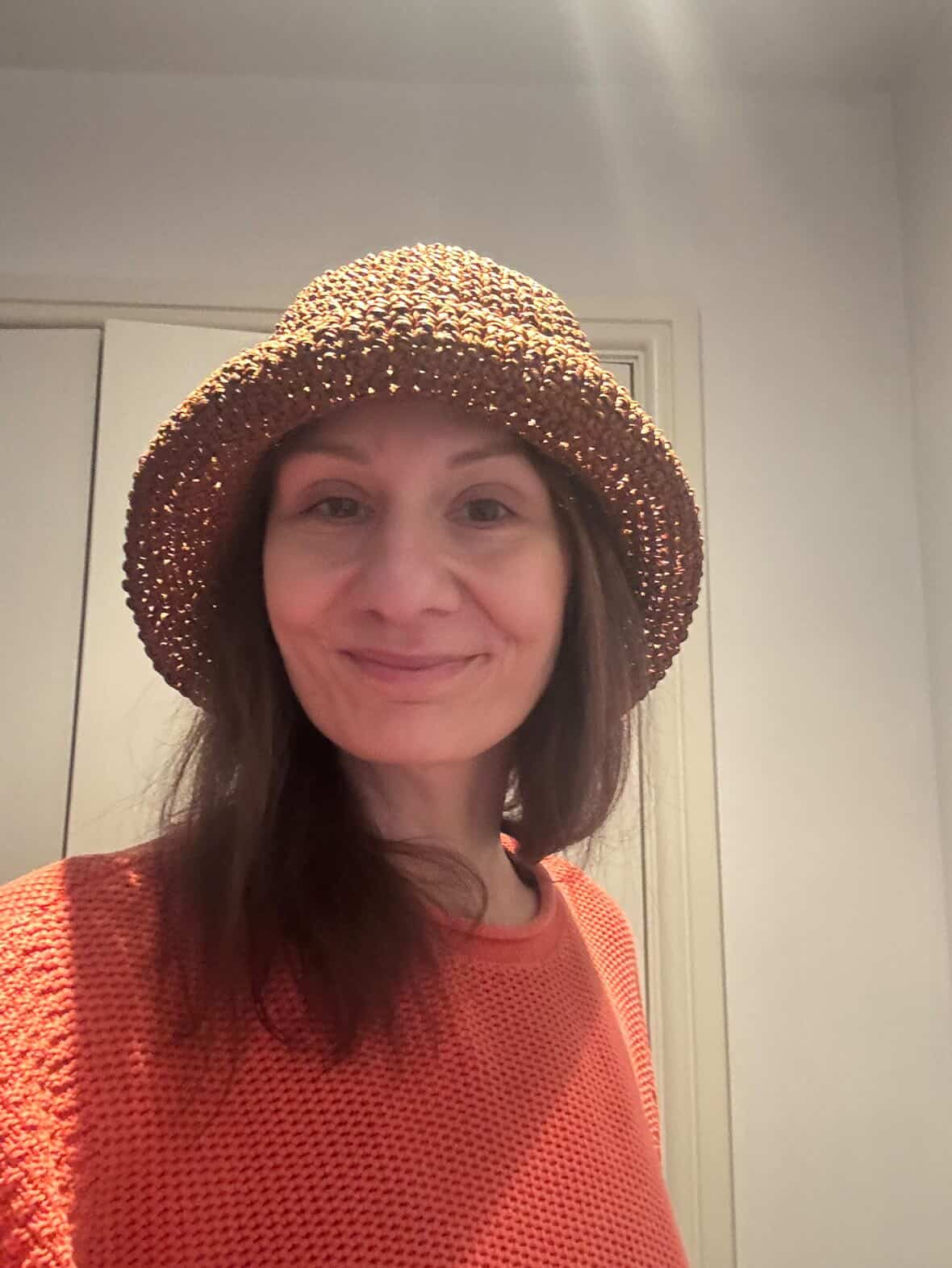
At the age of 41, Wioletta Sobacka was incidentally diagnosed with stage 3C Low Grade Serous Ovarian Carcinoma (LGSOC) following an unrelated procedure.
Learning to live with a rare and under-researched form of ovarian cancer has been incredibly challenging, now she wants to raise awareness and the importance of research to understand how LGSOC affects those who are diagnosed.
Lemonade: Tell us a bit about yourself Wioletta and your ovarian cancer journey.
Wioletta: My name is Wioletta, I am 42 years old and currently live in Leeds where I work as a nurse. I was incidentally diagnosed with stage 3C Low Grade Serous Ovarian Carcinoma (LGSOC) in February 2025 following an unrelated procedure. I had no noticeable symptoms prior to this. I was 41 at the time of diagnosis. In December 2024, I noticed a small umbilical hernia and had it surgically repaired. During the procedure, the surgeon noted that my hernia sac looked unusual, so they sent samples to pathology. The biopsy came back positive for LGSOC. The hernia was not related to the cancer; it was purely coincidental that it developed when it did.
LGSOC is a rare and often misunderstood form of ovarian cancer, with limited treatment options and limited evidence to guide care. Research is the only way to find better treatments, earlier detection methods, and ultimately a cure for those of us living with ovarian cancer. At present, ovarian cancer is often diagnosed late, when treatment options are very limited. Without research, nothing changes.
Lemonade: How has your life changed as a result of your diagnosis?
Wioletta: Being diagnosed with LGSOC completely disrupted my life and tested friendships and relationships. Before my diagnosis, I was a very fit and physically active woman with no underlying health problems. I was three months away from finishing my master’s degree at university and was also planning a family with my boyfriend after completing my university commitments. Being diagnosed meant that, in the space of three weeks, I was put into surgical menopause, became infertile, and had to learn how to live with an ileostomy. I cannot describe it any differently than extremely brutal. The transition was also traumatic because I became a patient at the same hospital where I work as a nurse.
Lemonade: What kind of coping mechanisms have you had in place following your diagnosis and throughout your journey?
Wioletta: My boyfriend, my family, friends and work colleagues surrounded me with love and support, and the diagnosis showed me how loved I am. Looking back on this journey, the most important change happened in my mind, and it is a positive one. I now treat myself with kindness and have re-evaluated my priorities in life.
Lemonade: Where abouts are you now in your ovarian cancer journey?
Wioletta: While things have been incredibly hard, there is a silver lining. I am back at work full time. I can still enjoy life and travel. I have a very busy and fulfilling life. So much has changed, and yet many things haven’t.
Lemonade: What advice would you give to other women who may be facing ovarian cancer or seeking a potential diagnosis?
Wioletta: ’m three years cancer-free which is huge! That is strength. That is resilience. That is something to honour. And at the same time… living in fear after cancer is incredibly real for me and I know it is common. You don’t just “move on.” Your body remembers. Your mind remembers. Every ache can feel suspicious. Every scan can feel like a cliff edge.
Lemonade: What advice would you give to other women who may be facing ovarian cancer or seeking a potential diagnosis?
Wioletta: Life will be different, but you will still have a life worth fighting for. There is a lot of help available, so let people support you. You do not have to be positive all the time to cope well.
Lemonade would like to thank Wioletta for sharing her story and helping us raise awareness.


