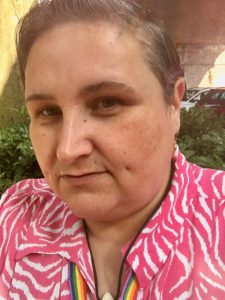
In our latest blog Sarah-Jane Myatt, aged 45 from Cheadle tells us about her experience living with two gynaecological cancers. Using art as a form of expression, she also shares some of her artwork.
At just eight years old doctors discovered a congenital ovarian dermoid cyst on her right ovary after suffering for years with severe tummy pain. The tumour and ovary were removed a few days later.
“A bit about me: I’ve lived in Cheadle, Manchester nearly my whole life. I’m the eldest of three girls and an auntie to seven which makes up for me never having children of my own. Kids were never an option for me as I grew up as a gay woman in a time before fertility clinics were accessible.
This will be my third year living with two gynaecological cancers; ovarian and womb. Over this time I have learned to accept how much my life has changed. After my surgery, which left me infertile, I had to face up to going through the menopause and a life cut short by how my ovarian cancer was allowed to grow and spread before being discovered.
For over two years I went to my GP with pain in my tummy and lower back. I was feeling tired all of the time, experiencing irregular bleeding with watery blood when I wiped, and feeling nauseous and full after only a few mouthfuls. I struggled with constipation and at night needed frequent trips to the toilet for a wee. Just before diagnosis I’d even developed a cough and shortness of breath because my ovarian tumour was so big it was pushing my other organs out of the way.
During all of this not once did any of the many doctors I sought help from ever consider that I had cancer, even with all of the symptoms I was displaying.
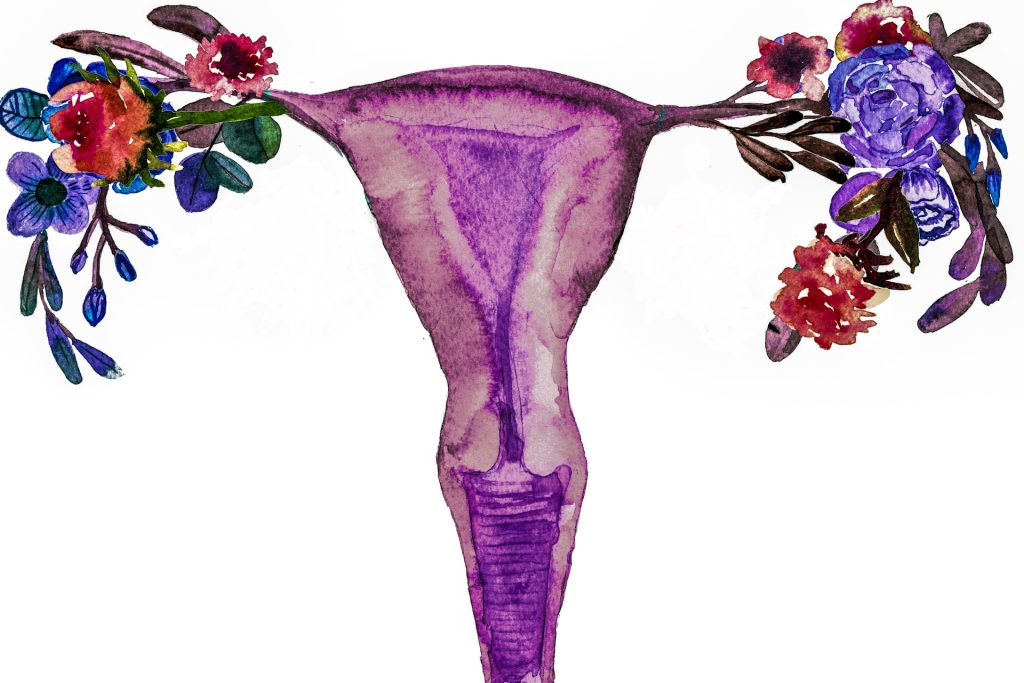
Using art as an outlet helps take my mind off what’s going on inside my body and the path my life has taken.
Just before COVID struck, I spent Christmas 2019 recovering from eight hours of surgery and was waiting to hear what the oncologists had found. We all knew it was cancer but until they had their results no one would say anything.
I started the new year hearing that I didn’t just have one cancer, but TWO primary cancers. After removing a 4kg ovarian tumour they discovered a tumour in my womb. That day the words “too advanced to cure”, “palliative care” and “should see four years” filled the room as well as my head. I was 42 and sat in a consulting room with my mum being told that I wouldn’t reach 50. I could feel everyone’s eyes were on me. I knew there and then that life really was never going to be the same again.
For months hearing that I was “too advanced to cure” was a bitter pill to swallow. I felt traumatised and couldn’t see beyond what I had heard, I’ve had trauma therapy to help me live with my diagnosis better. I kept remembering the times I had left my doctors surgery with a prescription in my hand for pain relief, pills for my nausea and reflux, I was told to lose weight and come back and see them again if I was still suffering, often seeing a different Doctor when I returned, again sent away with the same answers while all that time my cancers were growing inside me.
All I needed was one of the Dr’s to actually listen, to hear the list of symptoms I was presenting with, for them to not think I was “too young” as cancer doesn’t discriminate.
My future now is in three-month cycles of scans and blood tests checking to see if either my ovarian or womb cancer has started to grow again. When it does grow again I will be treated until I run out of treatment options, so I’m incurable but treatable. The time in between is now about me, doing things that make me happy, focusing on the good parts more than the bad parts of how life is for me now, sharing my experience and reaching others going through the same experience.
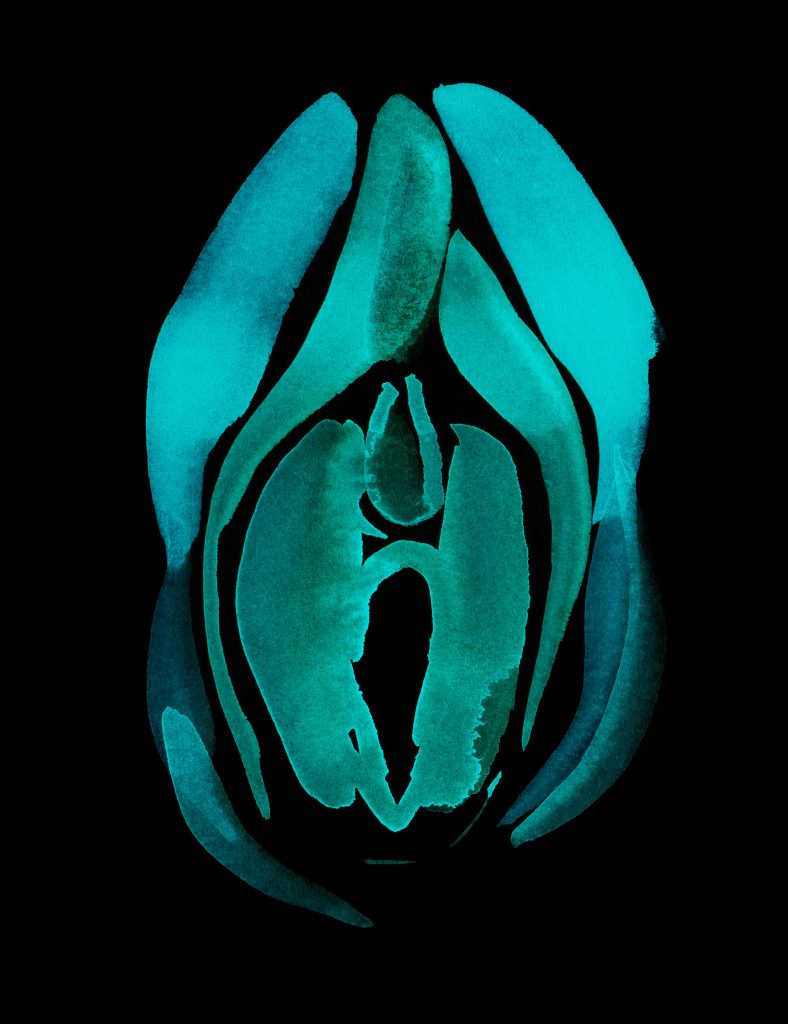
My story is the same as so many others with a gynaecological cancer, we go unheard and not seen, shamed by some healthcare professionals who can’t even bring themselves to use the word “vulva” when talking about our bodies.
Generations of us gender socialised to ‘expect’ and ‘accept’ that life as a woman comes with a certain amount of pain; painful periods, bloating, bleeding in-between periods and even painful sex are all symptoms many of us have and we have to suffer with in silence. How are we expected to know the difference between what’s ‘normal’ or what’s cancer when even the people that are trained in doing that can’t?
I’m tired of seeing us blamed for not knowing our own bodies, for not knowing the symptoms of gynaecological cancers when so many of us go unheard and unseen at the countless times we sought help for our symptoms from doctors who judge us too young, hormonal, or just diagnose irritable bowel.
Awareness for ovarian and all gynaecological cancers needs to start with education, owning and using the correct words for the parts of our bodies. So many, including healthcare professionals, still call our vulvas a “vagina” or “down there”. How are we supposed to know that cancer of the vulva exists or describe the symptoms of certain gynae cancers when we don’t use the right words for our bodies?
We need a change in the way society views and sexualises our bodies; from the educational diagrams of our vulvas being censored on social media, to the way we are made to feel abnormal if our vulva doesn’t look like the ones we are subjected and compared to.
We know our bodies, we need to be seen and heard by the people that are supposed to listen.
It’s time for change, we have to speak up and push to be heard, knowing what is normal for your body, getting anything that’s not checked and checked again and asking for a second opinion if you are concerned that you are not being heard.”
Lemonade would like to thank Sarah-Jane for sharing her story and helping us raise awareness.


